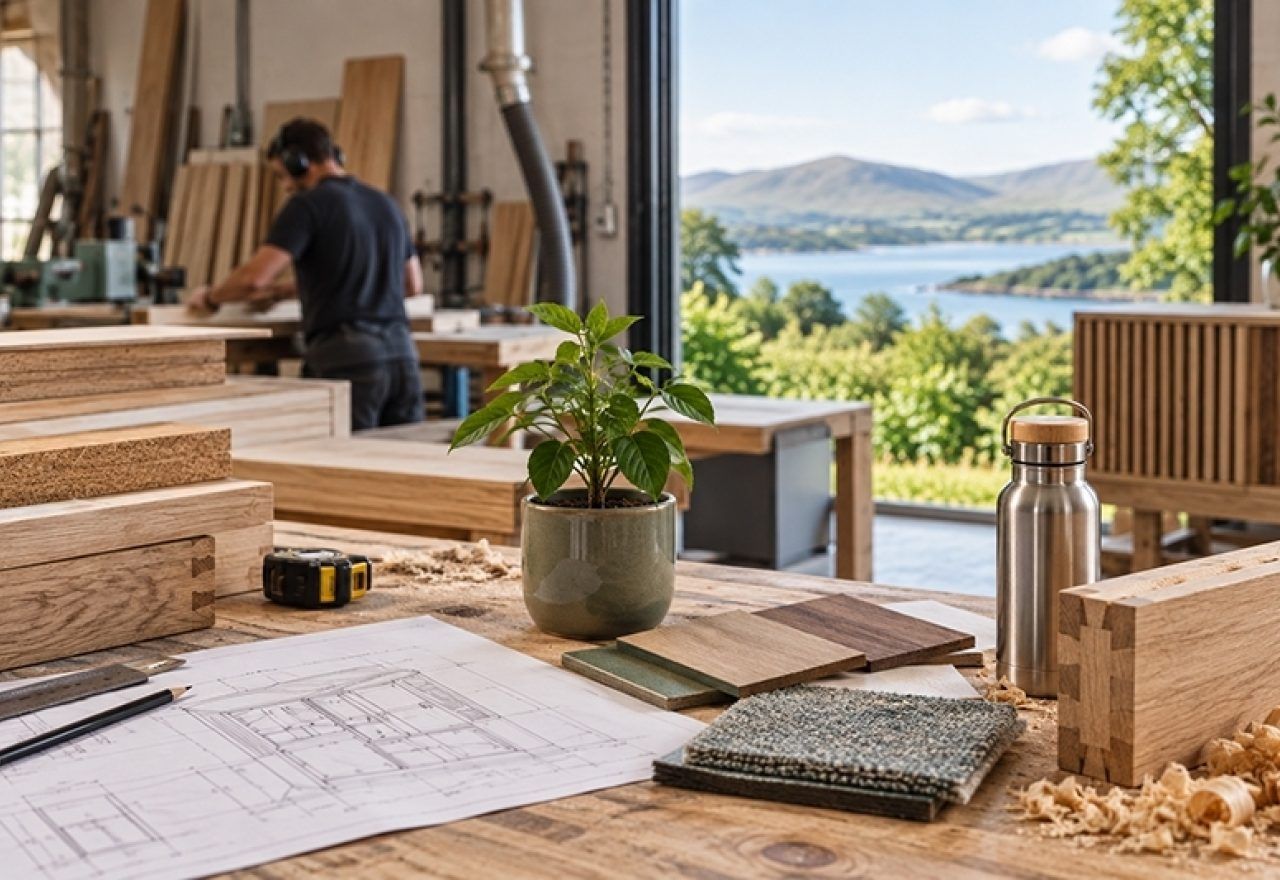
A practical sustainability pathway for SMEs: start with the next 90 days
For a small business, the hardest part of sustainability can be deciding where to begin. There is no shortage of terminology, questionnaires or software. What is often missing is a manageable sequence of actions that fits around running the company.
For IWIN members, a useful starting point is a 90-day plan. The aim is to understand the business’s position, identify immediate improvements and establish reliable records. It is a starting framework, with the pace adjusted where an applicable legal deadline requires faster action.
Days 1–30: establish the starting position
Appoint one person to coordinate the work, with support from management. That person does not need to become an expert in every regulation. They do need access to purchasing, finance, production and staff information, and enough authority to obtain answers.
Gather twelve months of electricity and fuel bills, waste records and available water information. Identify the principal materials purchased and the suppliers responsible for them. Record existing policies, certifications and customer questionnaires. Keep the original documents in a shared location with clear filenames.
Look beyond environmental issues. ESG also includes social and governance matters. Review how the business manages staff safety, training, responsibilities, complaints and ethical purchasing. Identify gaps honestly. A policy copied from another company offers little value if nobody understands or follows it.
Create a separate list of legal and contractual requirements. Distinguish obligations applying to the business from voluntary standards and individual customer requests. Product types, supply chain roles and export markets can change the answer. Obtain appropriate advice where a requirement is unclear.
Days 31–60: choose improvements with a measurable benefit
Select three priorities that the business can realistically deliver. These might involve energy use, material yield and supplier information. Each should have an owner, a target date and a defined measure of success.
An energy review could examine compressed air leaks, heating controls or equipment left running between shifts. A production review could investigate repeated cutting waste or finishing defects. A purchasing review could establish which suppliers can provide reliable material and traceability documentation.
SEAI offers energy audit support for eligible businesses. Its published scheme provides a €2,000 voucher towards a professional audit, subject to eligibility conditions. Check the current requirements before applying, particularly where energy consumption could trigger separate mandatory audit obligations.
An audit should help identify priorities and estimated costs. Use that evidence when considering larger investments. Solar panels, heating upgrades or new machinery may have a role, but assess the actual operating pattern, technical suitability and financial return before committing.
Days 61–90: organise the evidence and review progress
Bring the results into a simple management record. A spreadsheet may be sufficient initially. Show the baseline, action taken, responsible person, expenditure and outcome. Keep estimates clearly separate from measured results.
Track both total consumption and an appropriate measure of efficiency. Electricity per production hour may help some businesses; material yield may be more useful for others. Choose measures that reflect operations, and record changes in product mix or workload that affect comparisons.
If calculating greenhouse gas emissions, document the conversion factors, reporting period and boundaries. Direct fuel use and purchased electricity are different categories. Purchased materials and other value chain activities can also matter. Start with reliable information and make the limitations visible.
Use reporting to support the work
The Commission’s recommended Voluntary Sustainability Reporting Standard for SMEs provides a structure for businesses choosing to report. It can help organise information for customers and financial institutions. Review its basic requirements before deciding whether more extensive reporting would add value.
Avoid treating a completed questionnaire as the finish line. Reporting should explain the business’s position and support decisions. It cannot substitute for meeting an applicable legal obligation, nor does adopting a voluntary standard make every environmental claim automatically valid.
Prepare a short customer information pack using verified records. Depending on the business, this could contain relevant policies, material specifications, certification details, improvement measures and contact information. Check that every document relates to the correct business, product and period.
Make progress part of normal management
Set aside time each month to review the priorities. Involve the people doing the work: production teams often know where materials are damaged, machinery runs unnecessarily or instructions create avoidable rework. Their input can make proposed changes more practical.
At the end of 90 days, review what improved, what remains uncertain and what should happen next. Keep successful actions, revise weak assumptions and select the next manageable priorities. Share progress in specific terms, with evidence and context.
IWIN’s participation in Sustainable SMEs, under the Interreg Northern Periphery and Arctic Programme, connects this practical work with a wider effort to improve SME understanding of sustainability reporting and share useful approaches.
The first objective is a business that understands its responsibilities, knows its starting position and can demonstrate progress. That foundation makes the next decision easier, whether it concerns compliance, investment, a customer tender or product development.